Moldova’s decision to pursue a new program with the IMF without a financial component reflects an improvement in the country’s macroeconomic situation, which no longer warrants the need for urgent financing – the NBM
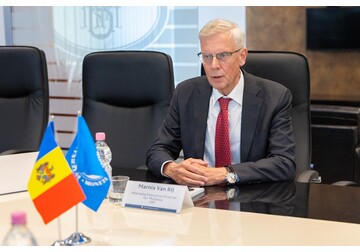
This was stated by Anca Dragu, Governor of the National Bank of Moldova (NBM), during an official meeting with Marnix van Rij, Deputy Executive Director of the International Monetary Fund. According to the National Bank, the dialogue focused on continuing cooperation between Moldova and the IMF in the context of the Moldovan authorities’ request to initiate a new three-year program with the IMF without a financial component. Anca Dragu emphasized the importance of transitioning to a partnership based on confidence in current policies, macroeconomic stability, and the implementation of structural reforms. “The decision to opt for a non-financial instrument reflects the improvement in Moldova’s macroeconomic situation, which no longer justifies the need for urgent financing. The new program with the IMF will support the European integration agenda, strengthen investor confidence, and mobilize investment in Moldova’s economy,” stated the NBM Governor. According to her, under the future program, NBM-IMF cooperation will focus on strengthening monetary policy, implementing the recommendations of the 2025 Financial Sector Assessment Program (FSAP), as well as strengthening the NBM’s independence and improving internal governance. The NBM-IMF partnership is intended to confirm that Moldova’s monetary and financial policies meet the standards of a future European Union member state. The meeting also addressed the issue of aligning national financial legislation with European standards as part of the negotiation process. The National Bank of Moldova is also participating in the implementation of the Reform Program linked to Moldova’s Growth Plan for 2025–2027 by strengthening financial legislation, thereby contributing to the development of the private sector and the improvement of the country’s economic governance. In this regard, it is advisable to ensure effective synergy through a coordination mechanism between the new program with the IMF and the Reform Program. Such an approach will facilitate the alignment of economic and structural policy priorities, more efficient use of available resources, and the prevention of duplication or inconsistencies in the implementation of reforms. On February 27, the IMF Executive Board took note of the authorities’ interest in concluding a new agreement with the Fund, emphasizing that maintaining a program relationship with the IMF will be crucial for accelerating the pace of reforms and supporting EU accession. // 17.03.2026 — InfoMarket.