The EBRD will provide a €11.5 million loan to finance a comprehensive energy efficiency program for public buildings, particularly kindergartens, in the capital of Moldova
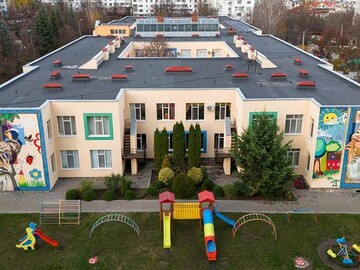
The European Bank for Reconstruction and Development announced this, noting that it supports Chisinau's efforts to create greener and more energy-efficient kindergartens, modernize public buildings, and reduce emissions in the capital of Moldova. The EBRD notes that Chisinau is part of the EBRD's flagship Green Cities program, which implements targeted investments to improve the quality of life in cities. The investments are being implemented within the framework of the Chisinau Green Cities Action Plan, which aims to promote sustainable and energy-efficient urban development and mitigate climate change. The loan agreement was signed by Giuseppe Grimaldi, Head of the EBRD Resident Office in Moldova, and Ion Ceban, Mayor of Chisinau. The project includes energy efficiency upgrades and renovations in 30 kindergartens, with EBRD financing covering the costs of 18 of these buildings. Additional financing includes a €7 million investment grant, a €11.5 million parallel loan from the European Investment Bank, and a €1.1 million contribution from Chisinau, bringing the total project cost to €31.1 million. Planned measures include thermal insulation, modern heating and ventilation systems, improved lighting and water supply, window and door replacement, and the installation of renewable energy sources – photovoltaic and solar thermal systems. These measures are expected to achieve average energy savings of approximately 55%, significantly reducing greenhouse gas emissions and improving indoor comfort for nearly 10,000 children and 1,500 employees. In addition to environmental benefits, the project will implement advanced energy management standards, including energy audits and performance certification. It will also include energy performance contracting, promoting private sector participation and innovation in the implementation of sustainable solutions. The initiative is aligned with the Paris Agreement and is classified as 100% green financing. The project will deliver significant energy savings (over 46,000 gigajoules per year, or 55% of the total bill) and reduce carbon dioxide emissions by 3,165 tonnes per year. These improvements will not only improve resource efficiency and reduce pollution, but will also contribute to improving the health and well-being of the city's youngest residents. The EBRD is the largest institutional investor in Moldova, providing significant support to the country's energy sector, including energy efficiency. The level of support has increased significantly since the start of the full-scale war in Ukraine in 2022. Specifically, in July 2025, the Bank provided €400 million to ensure Moldova's energy security by financing gas and electricity purchases, underscoring the EBRD's commitment to the country's energy resilience. The EBRD remains committed to supporting the green transition and sustainable urban development in Moldova. Investments in energy efficiency and renewable energy demonstrate how targeted measures can deliver long-term environmental, social and economic benefits. // 22.01.2026 – InfoMarket.