In Moldova, 40,033 used large household appliances have been collected and recycled since the launch of the EcoVoucher program
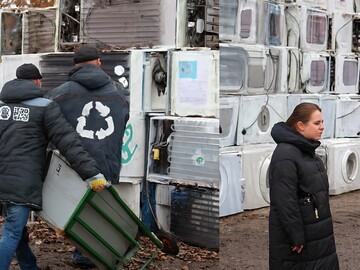
The Ministry of Energy and the National Center for Sustainable Energy reported this, noting that 19,060 old refrigerators and 20,973 old washing machines were recycled. Specifically, last year alone, 25,564 used appliances were replaced and collected for recycling and subsequent processing, of which 12,018 were refrigerators and 13,546 were washing machines. Appliances submitted by program participants are collected directly from homes by EcoVoucher partner stores through the extended producer responsibility mechanism. After collection, the appliances are transferred to five authorized operators with whom the program partners have signed contracts and who operate within the extended producer responsibility system. Used appliances are then shipped to authorized European centers in Romania. Upon delivery to partners, the appliances undergo a rigorous recycling process in accordance with environmental standards, guaranteeing full traceability and compliance with international standards. As Ion Muntean, Director of the National Center for Sustainable Energy, emphasized, the components of used appliances—plastic, metal, and glass—are separated and reused for new products. Coolants undergo special treatment to prevent air and soil pollution, ensuring that old refrigerators no longer pose a threat to the environment. Since the launch of the EcoVoucher program, over 2,000 tons of waste from used appliances have been collected. In 2025 alone, approximately 70% of the equipment arriving at electrical and electronic waste recycling centers in the country were collected through the EcoVoucher program. Replacing old, energy-intensive appliances with modern, efficient models through the EcoVoucher program allows for annual savings of approximately 8 million kWh, equivalent to approximately 30 million lei. The annual savings achieved from equipment purchased in 2025 alone are estimated at approximately 5.4 million kWh per year. The reduction in electricity consumption is estimated to have a significant positive environmental impact, resulting in a reduction of approximately 2,825 tonnes of CO2 emissions in 2025. Ion Muntean noted that the EcoVoucher program has a significant social impact by stimulating responsible consumption, raising awareness of energy efficiency, and promoting the purchase of eco-friendly household appliances. By disposing of old appliances at authorized centers, citizens contribute to environmental protection, reducing refrigerant emissions, saving money, and developing a sustainable, green industry. Norway's support through the EcoVoucher 2025 program, with a budget of nearly €7.5 million, has played a significant role in expanding its impact at the national level. "We are pleased to see that the EcoVoucher program is delivering concrete results not only for households but also for the environment. By responsibly collecting and recycling old appliances, the program helps reduce waste, prevent pollution, and promote sustainable consumption patterns. "The impact of these joint efforts is becoming clearer every day and supports Moldova's transition to a greener economy," said Christian Borchard, GIZ's E4M project manager. The appliance voucher program was developed by the Moldovan government with EU funding. // 19.02.2026 — InfoMarket.